Whether you’re chasing a new PR at your next triathlon or logging long weekend miles on your road bike, a proper bike fit is one of the most important investments you can make in your performance and comfort.
But here’s the thing: a tri bike fit is not the same as a road bike fit and treating them the same can lead to discomfort, inefficiency, and even injury.
Let’s break down the real differences and why our approach at Hü Performance takes both your goals and your physiology into account.
Understanding the Goals of Each Fit
Road Bike Fit
Road bike fits prioritize comfort, power, and efficiency over varied terrain. Whether you’re climbing, sprinting, or on a long endurance ride, your fit should support sustained power output without unnecessary strain.
Triathlon/TT Bike Fit
Triathlon fits are all about aerodynamics and sustainable speed, especially in a tucked position. The goal is to get you low and narrow without compromising your ability to run off the bike or maintain the position over long distances.
Key Differences in Fit Setup
1. Torso and Hip Angle
Road fit: More upright with a larger hip angle to support comfort and all-day riding.
Tri fit: More closed hip angle to allow for aerodynamic positioning but this demands more flexibility and core control.
2. Saddle Position
Road: Generally further back with weight distributed evenly.
Tri: Moved forward (steeper seat tube angle) to open the hip angle while staying aero this also sets you up better for the run. This also requires a different saddle since you’re weight bearing on a different part of the pelvis.
3. Arm and Hand Position
Road: Hands on the hoods or drops, with a balanced upper-body posture.
Tri: Resting on aero bars, elbows bent, and shoulders tucked in this position has to be customized to your flexibility and ability to maintain it without fatigue.
4. Pressure Points
The longer time spent in a static aero position on a tri bike increases the demand for a precisely tuned fit to avoid neck, saddle, and shoulder discomfort.
Why Fit Matters More in Tri
On a tri bike, you're holding a narrow position for long periods without changing hand position. If your fit isn’t right, even small misalignments can become big problems. And because you're running off the bike, how you ride affects more than just your cycling it affects your entire race.
The Hü Fit Method: Where Performance Meets Precision
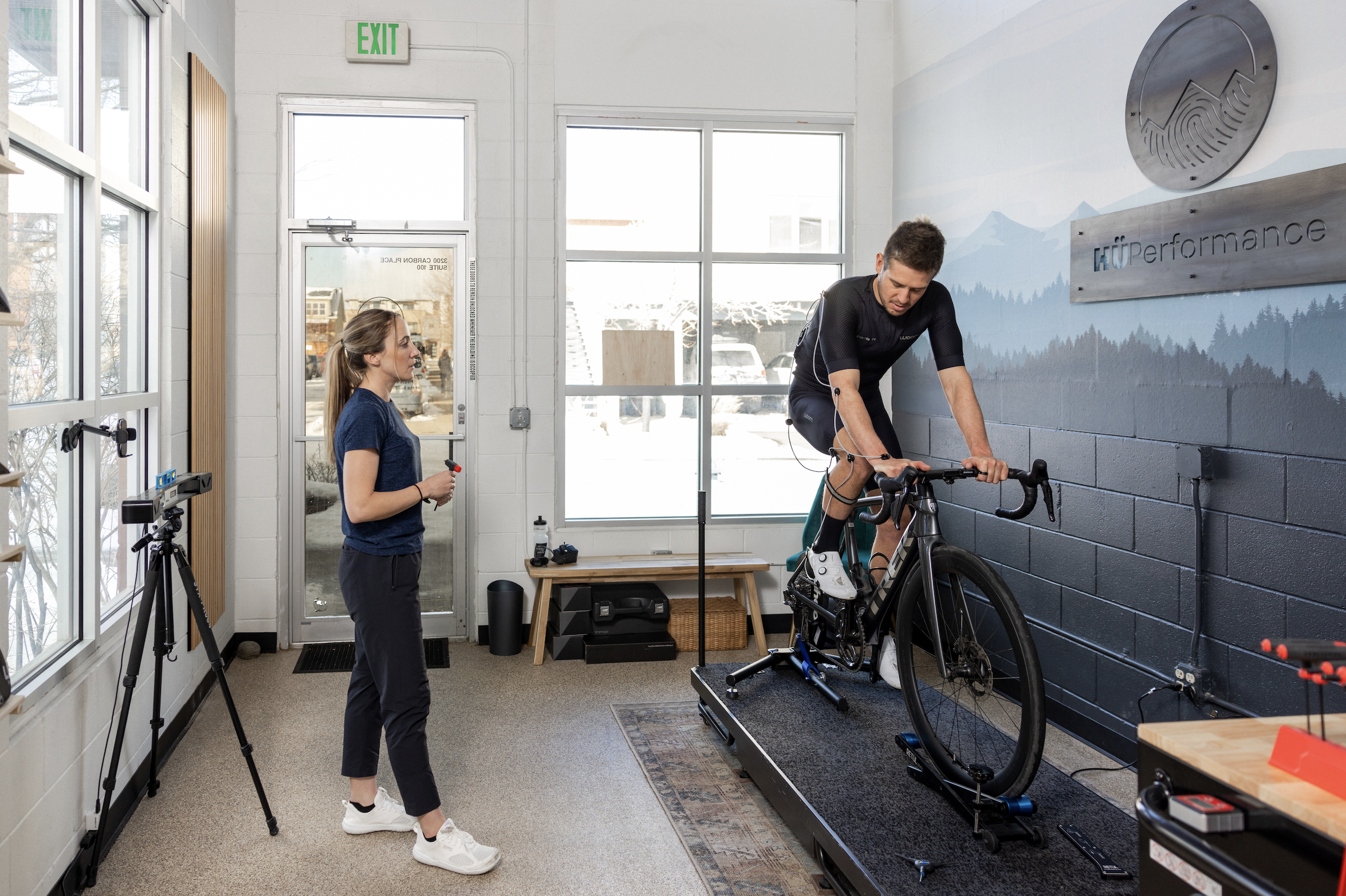
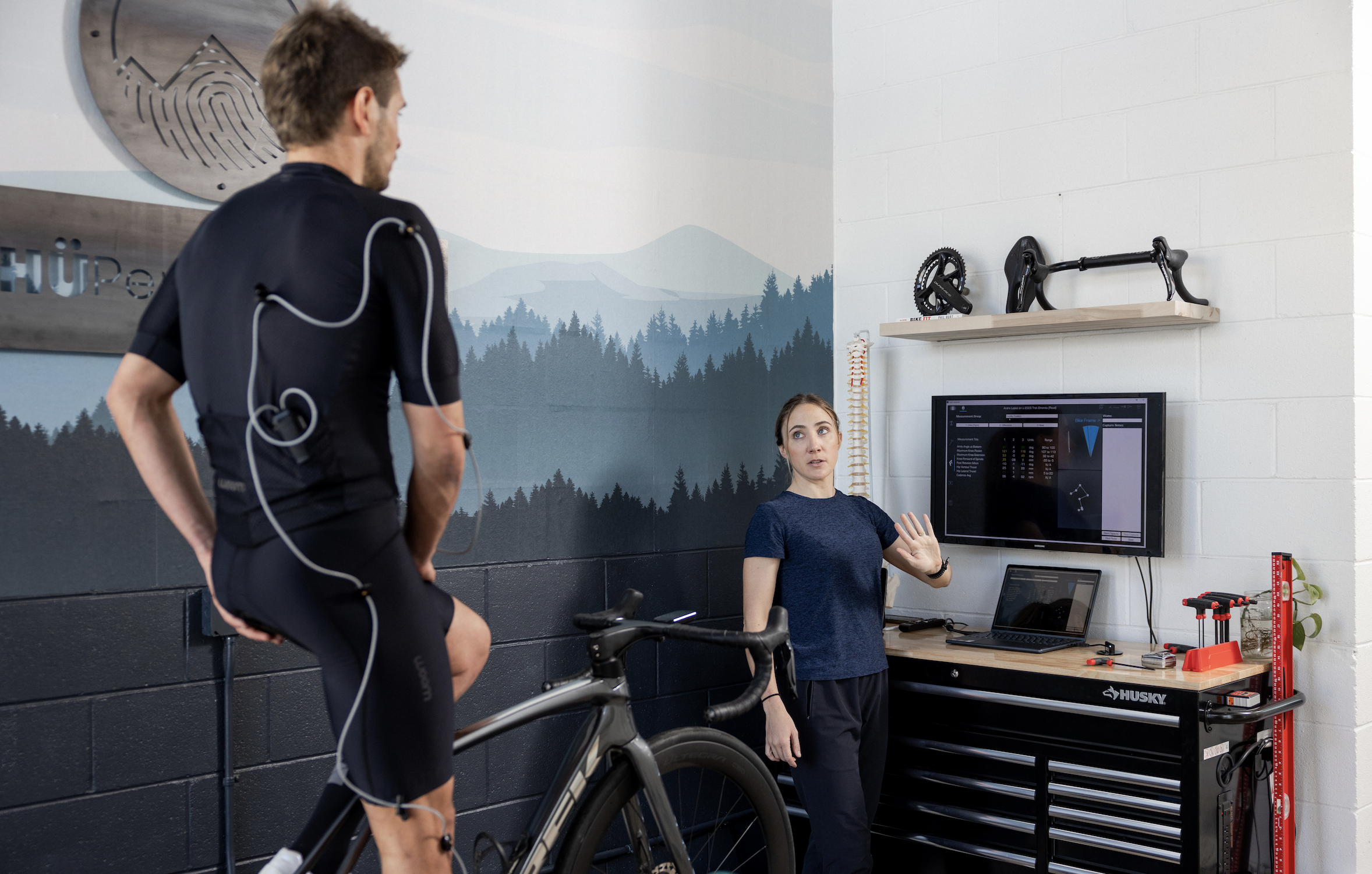
At Hü Performance, we don’t just “eyeball” it. Whether you ride road, tri, or both, our fits are built around:
Your unique anatomy and movement patterns
Your riding goals (endurance, sprint, Ironman, etc.)
Real-time biomechanical feedback using Retül analysis
Postural and movement assessments from our physical therapy team
This isn’t just about adjusting your saddle height it’s about optimizing your entire kinetic chain for better performance and fewer injuries.
Not sure if your current fit is holding you back?
Book a fitting session and let’s find the position that works with your body not against it. Book Appointment